
Don’t Risk Getting Turned Away at Scrutineering; Stay Safe & Compliant With Official FIA-approved Racewear
Imagine getting turned away at Friday morning scrutineering because of an outdated tag. It’s a driver’s worst nightmare, wasting your entry fees, track time, and weeks of hard prep work. The transition from the legacy FIA 8856-2000 standard to the strict new regulations has caused plenty of confusion. Is your suit still legal? Do your gloves need an upgrade? What do the dates actually mean?
This guide cuts through the technical jargon so you can audit your kit bag. As Australia’s trusted source for FIA-approved racewear, we’re here to ensure you stay safe and 100% compliant before you step into the cockpit.
The Evolution of Safety: What is the FIA 8856-2018 Standard?

The Federation Internationale de l’Automobile (FIA) standard replaces the old 8856-2000 framework, marking the biggest overhaul in driver fire protection in two decades. The most critical upgrade is a 20% increase in Heat Transfer Index (HTI) protection. By drastically slowing down heat and flame transmission through the fabric, this new standard gives drivers crucial extra seconds to safely escape a cockpit fire.
To achieve this elevated benchmark, several structural and design changes have been mandated across all types of racing gear:
- Higher Necklines: Fireproof underwear and balaclavas must feature higher, more secure necklines to completely eliminate gaps between protective garments.
- Longer Socks: Socks must now extend significantly higher up the calf to ensure a solid, seamless overlap with your Nomex bottoms, so no bare skin is exposed when you are seated in a compressed racing position.
- The Gold Hologram: To combat the global rise in counterfeit apparel, all FIA 8856-2018-approved garments now feature a highly secure, high-visibility gold FIA hologram alongside the official embroidery. This makes compliance checks lightning-fast and foolproof for track officials.
The Clock is Ticking: Expiration Dates on Racing Gear
Under the legacy 2000 standard, a premium race suit was considered valid indefinitely, provided it wasn’t physically ripped, stained with fuel, or structurally altered. The new regulation marks a major shift: racing gear now has a hard expiration date.
All FIA 8856-2018-approved fireproof garments now come with a strict 10-year expiration date from the year of manufacture. This expiration year is explicitly printed directly on the official gold homologation label stitched into the garment.
Why Did The FIA Introduce a Hard Deadline?
The engineering reality is simple: fire-retardant materials like Nomex degrade over time. Years of heavy sweating, exposure to harsh laundry detergents, UV rays from the sun, and general cockpit friction break down the chemical and physical properties of the protective fibres. Even if a 12-year-old suit looks pristine on the hanger, its microscopic ability to shield you from a 1000°C fire has diminished.
The 10-year rule guarantees that every competitor on the grid is wrapped in fabric that performs exactly as intended when seconds count.
Upgrading Your Kit: What Gear Falls Under the New Standard?
It’s time to pull open your gear bag and audit your current setup. The updated standard isn’t just about your outer layer; it applies to your entire safety ecosystem. Here is how the regulations impact your core racing gear:
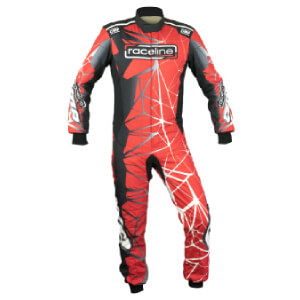
Race Suits
As your primary barrier against thermal energy, race suits must meet elevated heat-transmission standards. Check the back of the collar or the zipper placket: the new label must prominently display the FIA 8856-2018 marking, the gold hologram, and the explicit “Not valid after” expiry date.
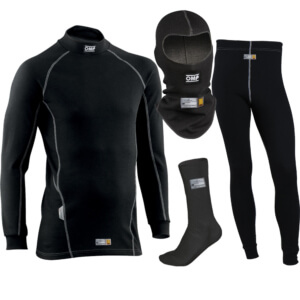
Underwear (Base Layers)
Balaclavas, tops, bottoms, and socks must all bear the new standard markings. Pay close attention to your socks: older, shorter variations will no longer pass scrutineering because the new standard mandates extended lengths to eliminate any potential skin exposure near the ankle.
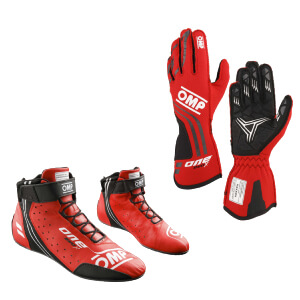
Gloves & Shoes
The updated rulebook mandates increased thermal protection across glove palms and shoe soles. Interior seams on gloves have been optimised for better feel and safety, and both accessories must carry the standardised tracking labels to ensure they are fully recognised as FIA-approved racewear.
The Phase-Out Timeline: Is Your Old Gear Still Legal?
A common question echoing through Australian pits is: “Do I need to throw away my 8856-2000 gear immediately?” The short answer is: it depends entirely on the level and tier of motorsport you are competing in.
The FIA has initiated a structured, multi-tier phase-out timeline to allow competitors time to budget for upgrades.
- International & Professional Events: For top-tier global categories (like Formula 1, WEC, and WRC), the old 8856-2000 standard was banned several seasons ago.
- National & Regional Levels: For major national series governed directly under international frameworks, compliance with the 2018 standard is already mandatory.
- Motorsport Australia & Club Level: For domestic, grassroots, and club-level events, Motorsport Australia has laid out a cascading timeline. While certain regional classes and local track days may still permit legacy 8856-2000 suits for a limited window, the final hard cut-off across the board is rapidly approaching, with the complete sunset of the old standard scheduled for 2029.
While your local club sprint might accept your legacy gear this weekend, upgrading to the FIA 8856-2018 standard today is the only way to guarantee 100% compliance across all tracks and events and to maximise your personal safety on the circuit.
Gear Up Safely with Raceline Racewear
Navigating changing rulebooks shouldn’t keep you out of the driver’s seat. At Raceline Racewear, we make upgrading your kit seamless, reliable, and straightforward.

Guaranteed Compliance
We only stock genuine, up-to-date, factory-certified FIA-approved racewear sourced directly from one of the world’s leading motorsport brands: OMP. No counterfeits, no outdated stock; just pure, certified protection.

Expert Advice
Our team doesn’t just sell apparel; we live and breathe motorsport. We can guide you to the exact kit required for your specific racing category.

Premium Australian Stock
Based locally, we maintain a robust inventory of premium racing suits, gloves, shoes, and base layers. Enjoy fast, reliable shipping across Australia so you aren’t left stranded waiting for a package the week of a major event.
Upgrade to the Latest FIA Standards Today
Your safety, podium finishes, and peace of mind shouldn’t be left to chance with an expired label. Protect yourself with the best engineering the industry has to offer. At Raceline Racewear, your safety is our priority. Ensure your kit is legal, fast, and completely fireproof for the competitive season ahead. Shop FIA 8856-2018 racewear today!
Your Questions Answered
Where do I find the expiration date on my race suit?
The expiration year is printed directly on the silver-and-white FIA homologation label, which features a unique gold hologram. This is typically stitched onto the back of the outer collar or the interior zipper flap of your suit. It will clearly read “Not valid after: [Year]”.
Do shoes and gloves also have a 10-year expiration date?
Yes. Under the strict guidelines for FIA 8856-2018-approved equipment, accessories such as gloves and boots that fall under this homologation are marked with the manufacturing year or expiration date to ensure the integrity of the materials. Always check the stitched tag on the cuff of your gloves or the tongue of your racing boots.
What happens if my racing gear passes the 10-year mark?
Once your garment passes its printed expiration year, it is officially non-compliant. Scrutineers at FIA-sanctioned and national-level events will reject the gear during pre-race inspection, and you will not be permitted on the track until you source a compliant replacement.
Are mechanics’ suits affected by this rule?
Yes. Pit lane crew and mechanics operating in environments with refuelling or high-fire risk (such as certain endurance racing formats) must also comply with safety standards. Many modern regulations require crew suits to meet the elevated thermal protection standards outlined by the FIA.